Human Adenosine Kinase (ADK, EC 2.7.1.20)
Synonyms: ADK, Adenosine 5'-phosphotransferase
NOVOCIB's human adenosine kinase is an active and purified, 345-aa short form (39kDa) ADK protein cloned by RT-PCR amplification of mRNA extracted from human hepatoma cells and expressed in E.coli. The sequence of the cloned ADK (GenBank accession number U50196) was confirmed by DNA sequencing (100% identity).
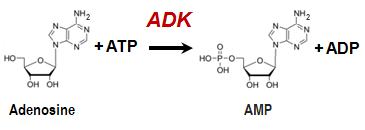
Adenosine kinase catalyzes the transfer of γ-phosphate from ATP to the 5'-hydroxyl of adenosine, a key modulator of central nervous system functions and a signal molecule involved in hypoxia, inflammation, and nociception. Together with adenosine deaminase, adenosine kinase regulates intra- and extracellular adenosine concentration.
Inhibition of adenosine kinase selectively increases local adenosine concentrations and reduces seizure susceptibility and nociception in vivo. ADK dysfunction is implicated in diabetes, epilepsy, and cancer. Consequently, ADK is a rational therapeutic target for drug discovery, and adenosine-regulating drugs have been tested as analgesic, anti-inflammatory, and neuroprotective agents.
ADK is also responsible for phosphorylation and clinical activity of several therapeutic nucleosides, including the antiviral drug ribavirin, immunosuppressive drug mizoribine, and anticancer C-nucleoside tiazofurin.
For rapid evaluation of substrate properties of novel nucleoside analogs for human adenosine kinase see our PRECICE® ADK Phosphorylation Assay Kit.
For rapid HTS search of novel ADK inhibitors see our PRECICE® ADK Assay Kit.